Archive for October, 2008

Since moving to the DC area it has been easy to feel lost in the neoclassical and federalist architecture that pervades the area. Many of the firms here still work within those vernaculars. Those who differ seem to err on the side of bland post modern boxes. I decided that there had to be firms in the area who had a more avant-garde/metropolitan sense in their design aesthetic and so I searched through the websites of man over 400 firms listed in the Washington, DC / Northern Virginia (NOVA) / Maryland region.

I only looked at architecture firms whose only office is in the DC metro area, and selected those that I felt had a more contemporary/avant-garde design sensibility. I feel that I have achieved my goal of proving that there are small to medium firms in the DC metroplex that focus on creating buildings/spaces that further the architectural dialogue and do not just rehash old building styles for the sake of building.

The following firms are in no particular order.

amestudio
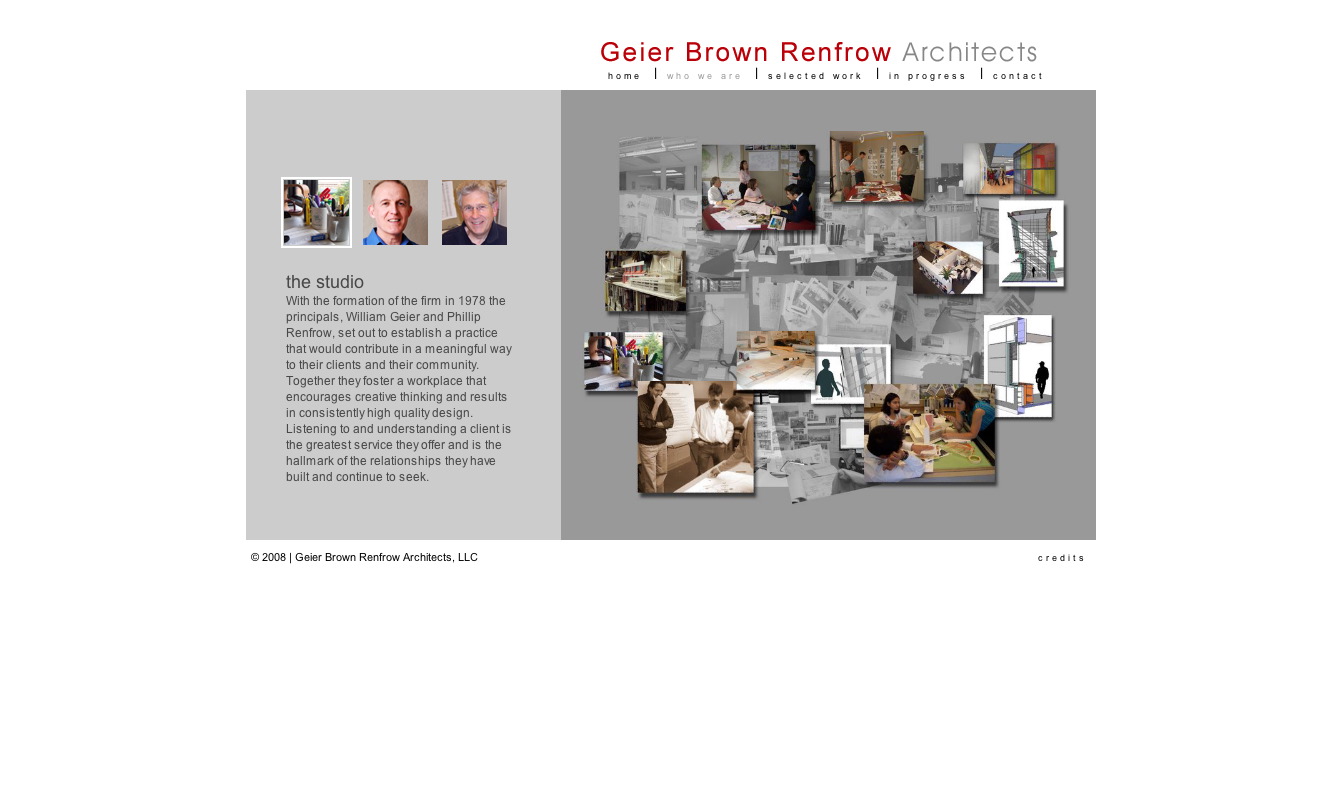
Geier Brown Renfrow Architects
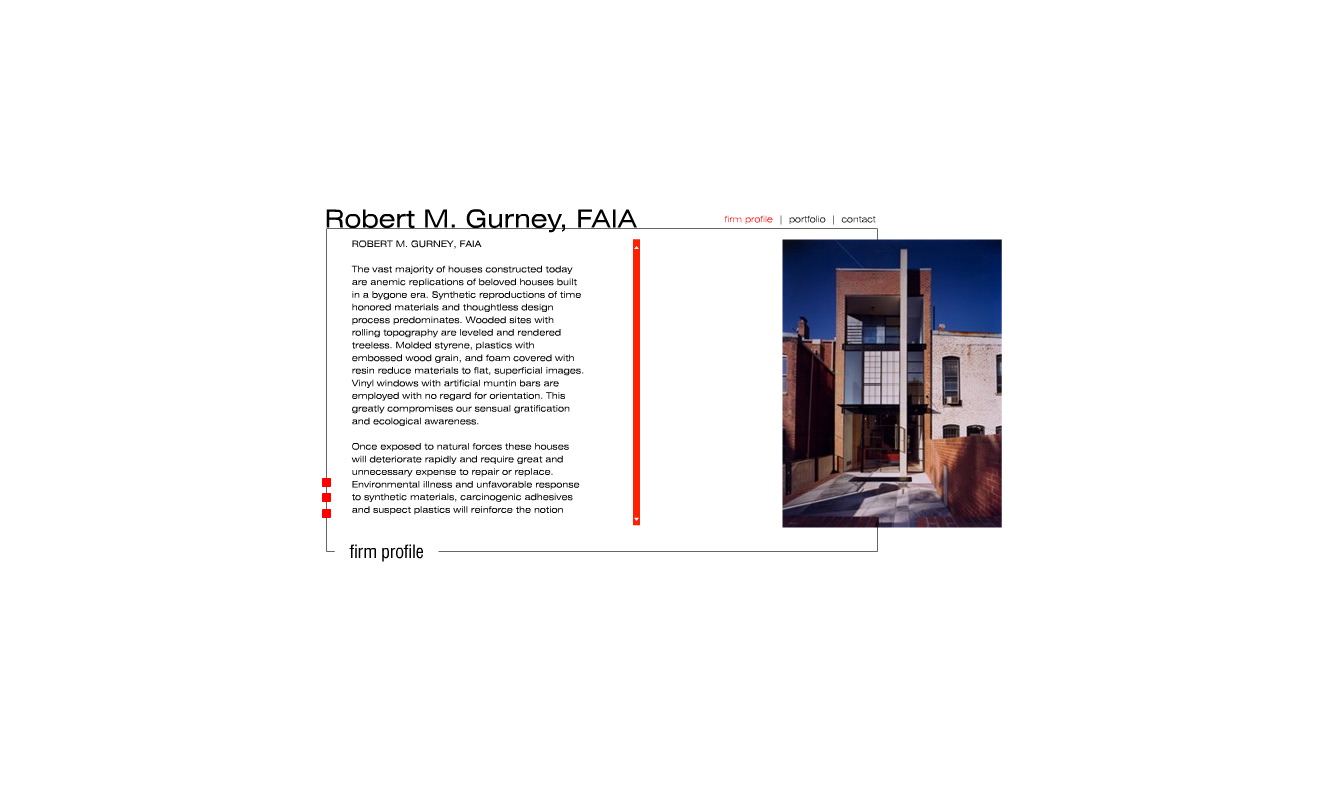
Robert M Gurnery, FAIA
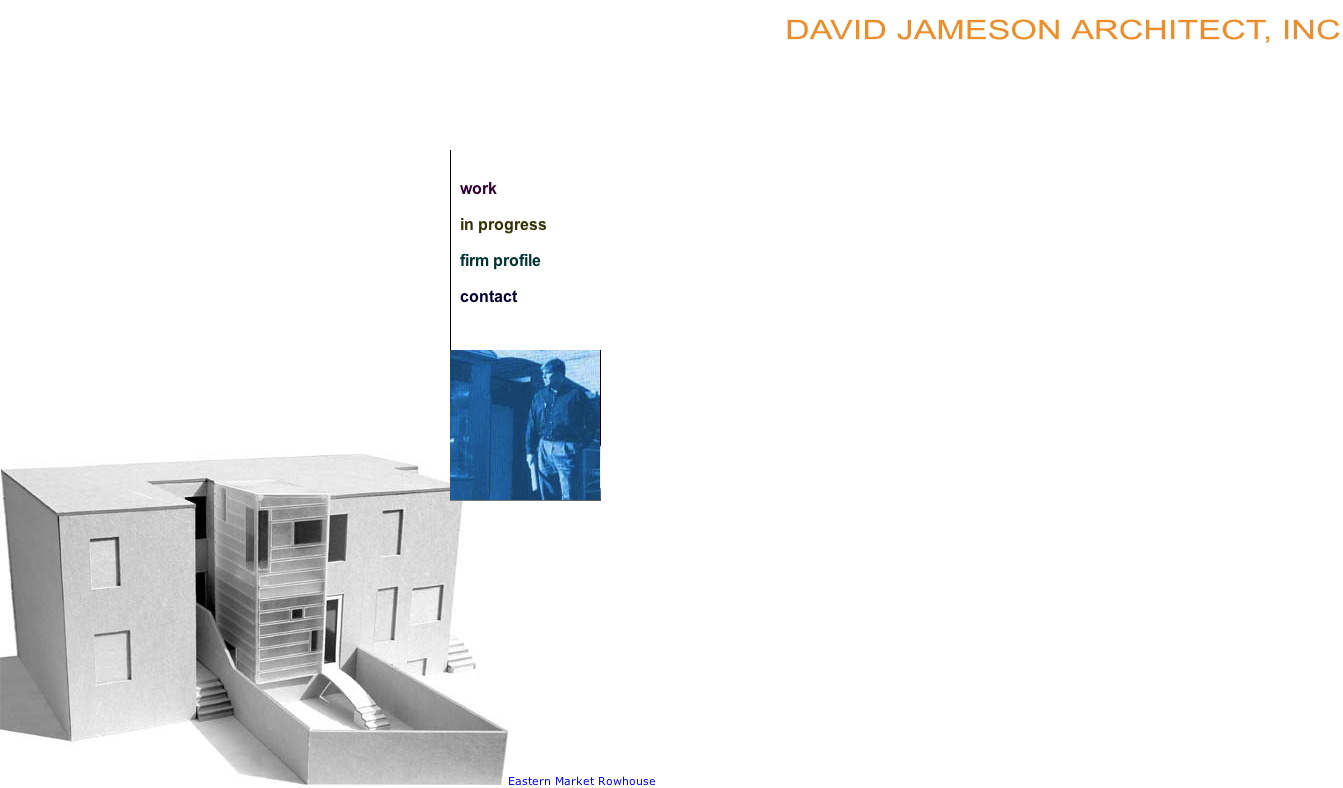
David Jameson Architect, Inc
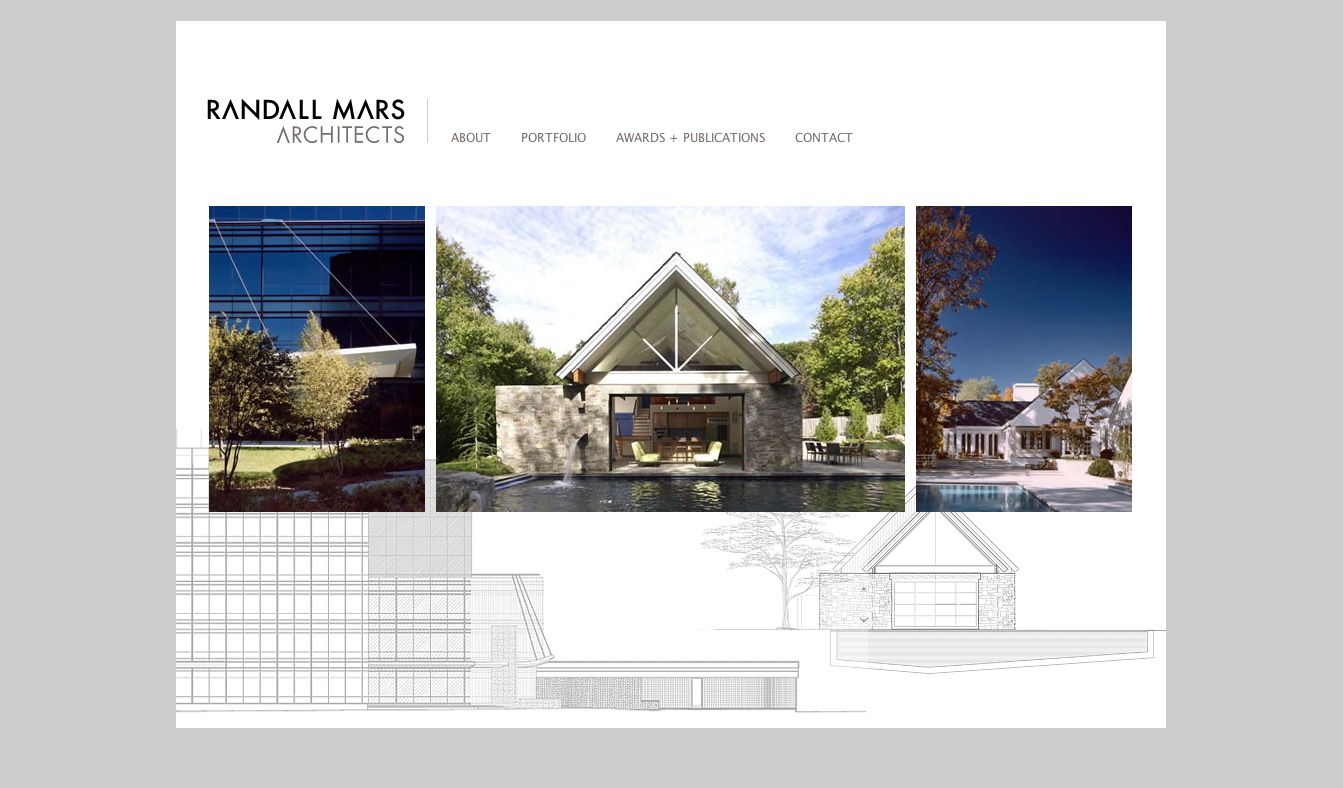
Randall Mars Architects
Fox Architects
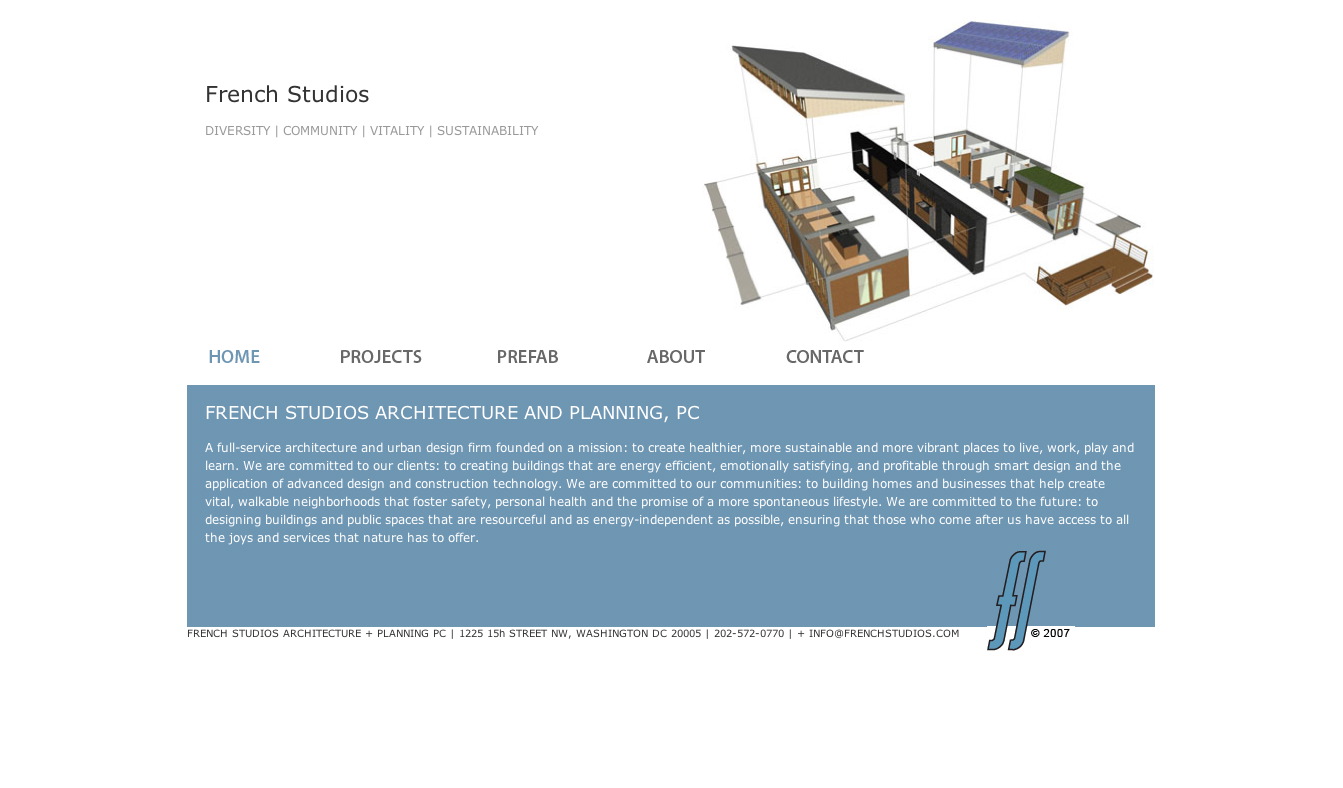
French Studios
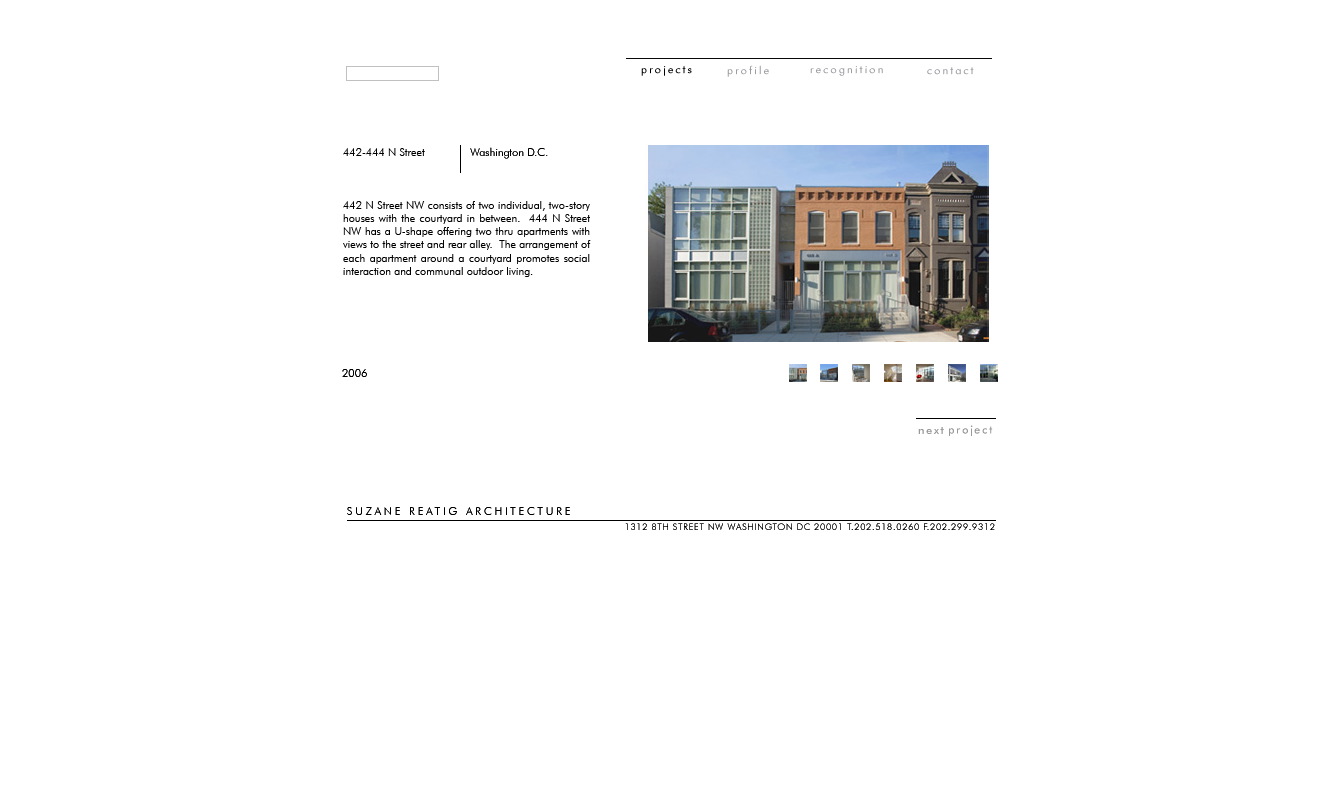
Suzane Reatig Architecture
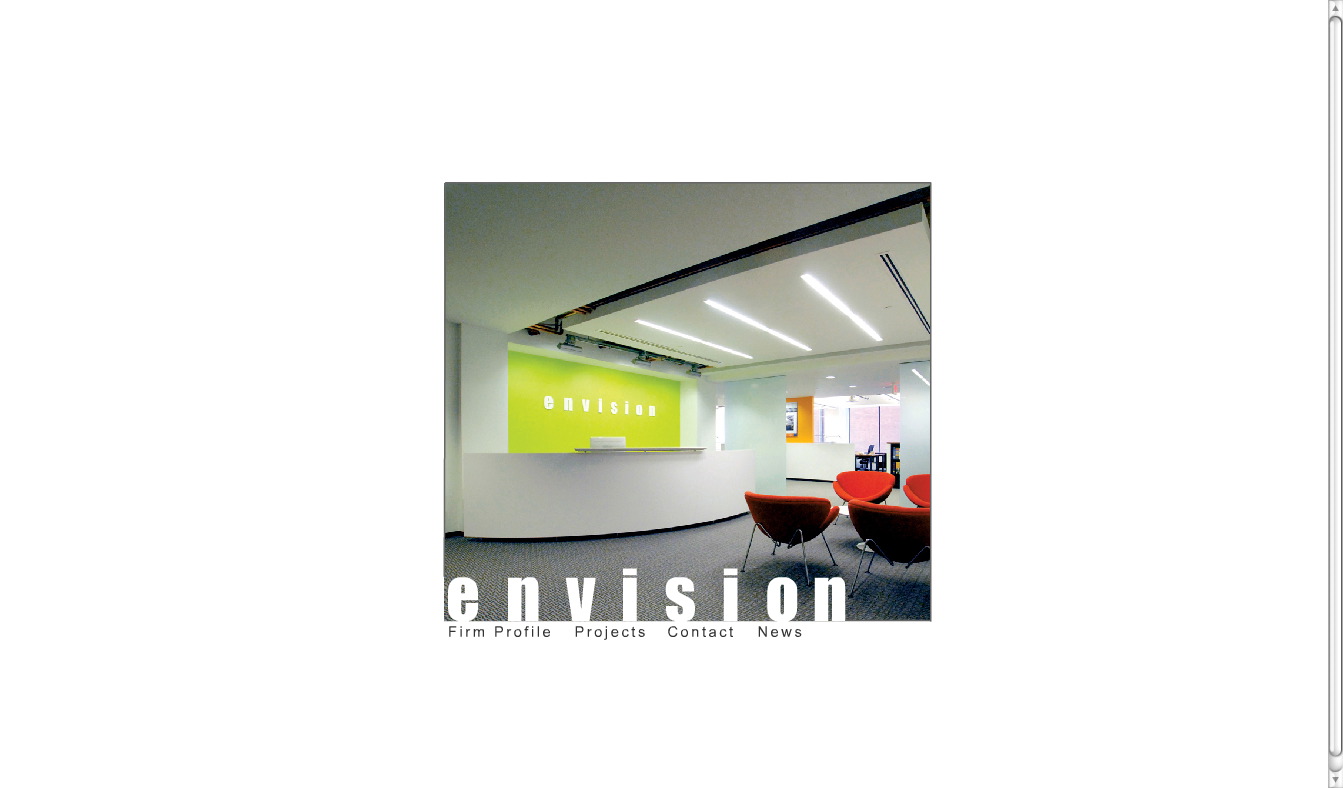
envision
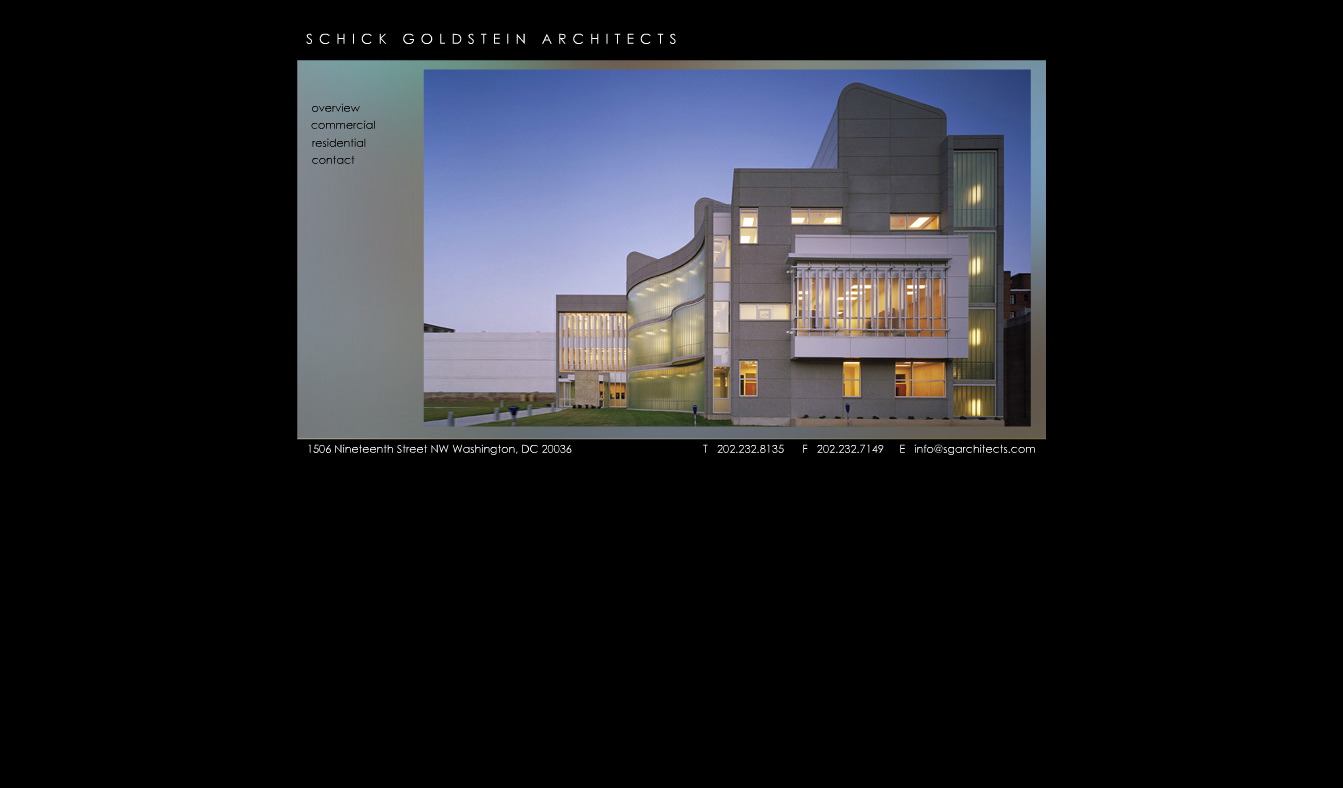
Schick Goldstein Architects
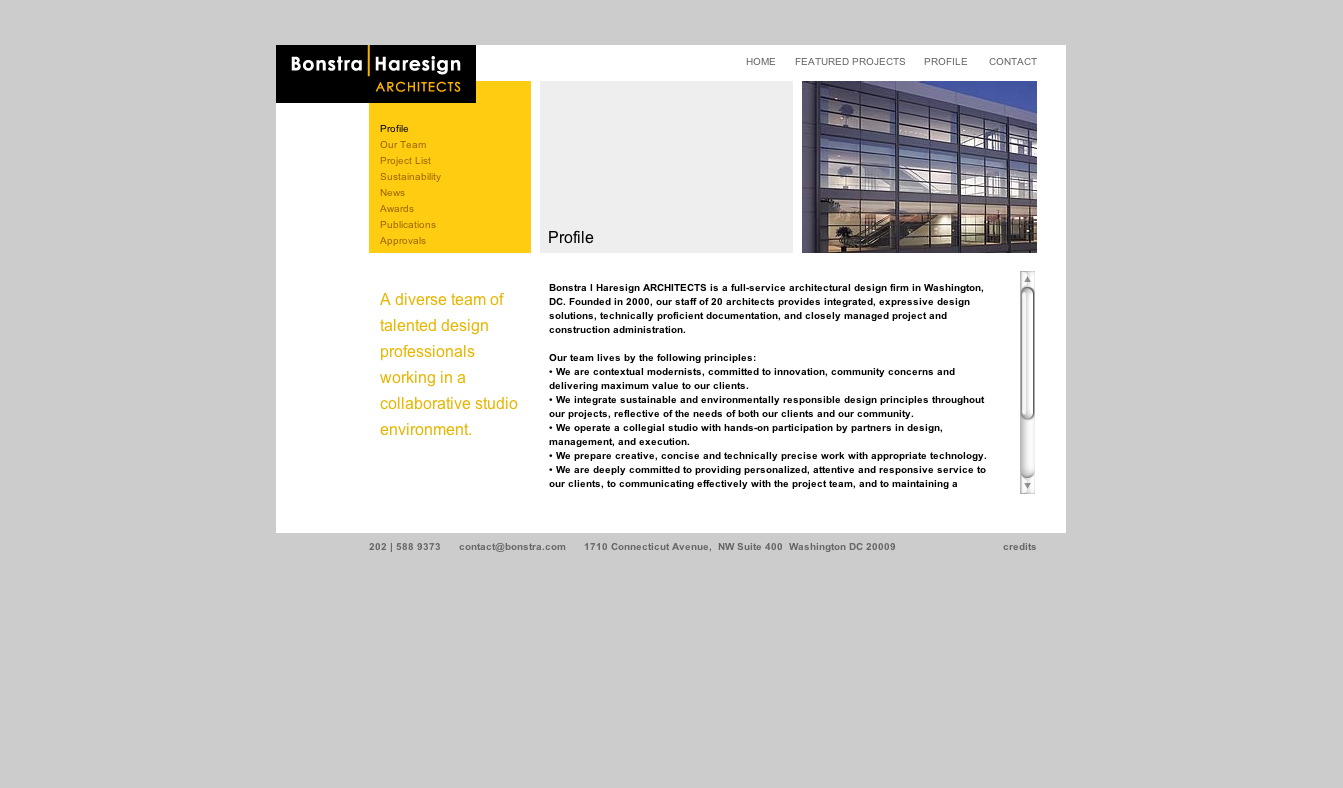
Bonstra Haresign Architects
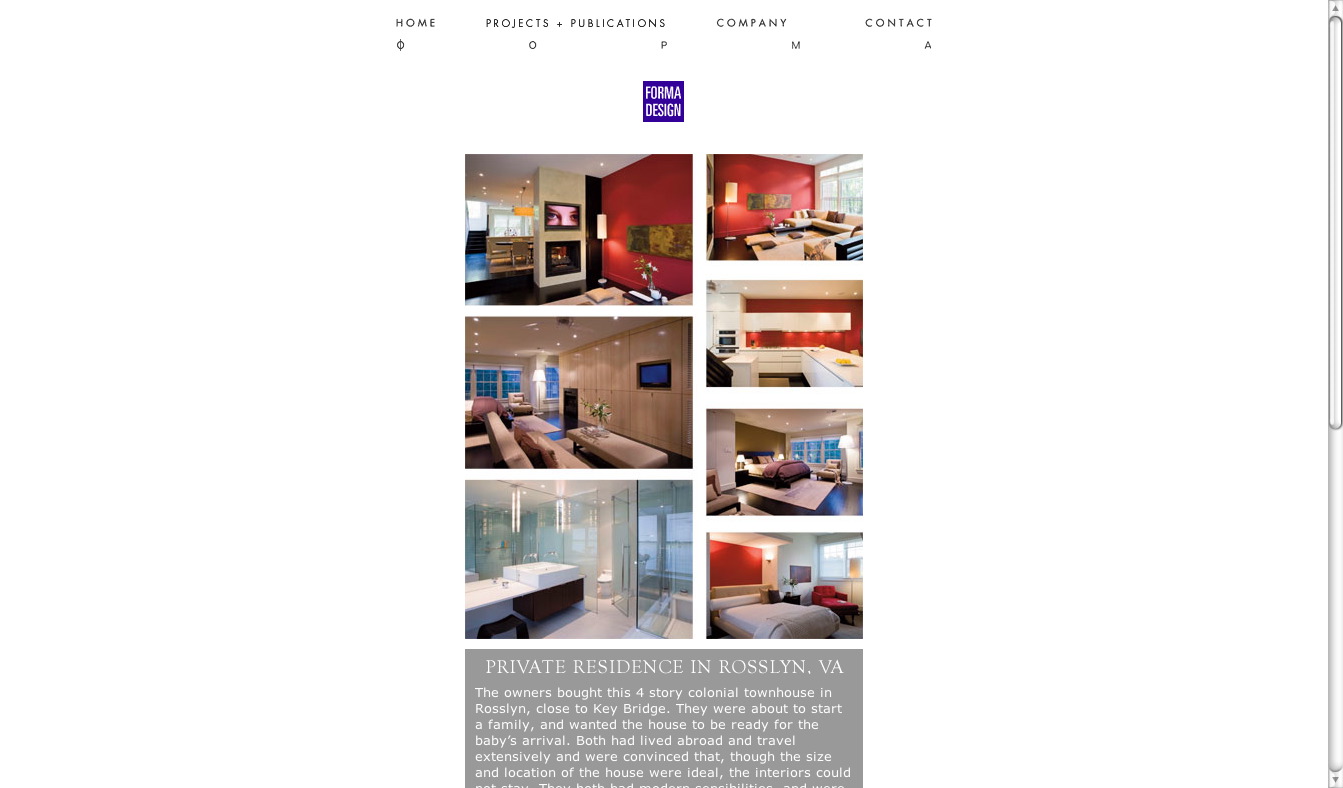
Forma Design
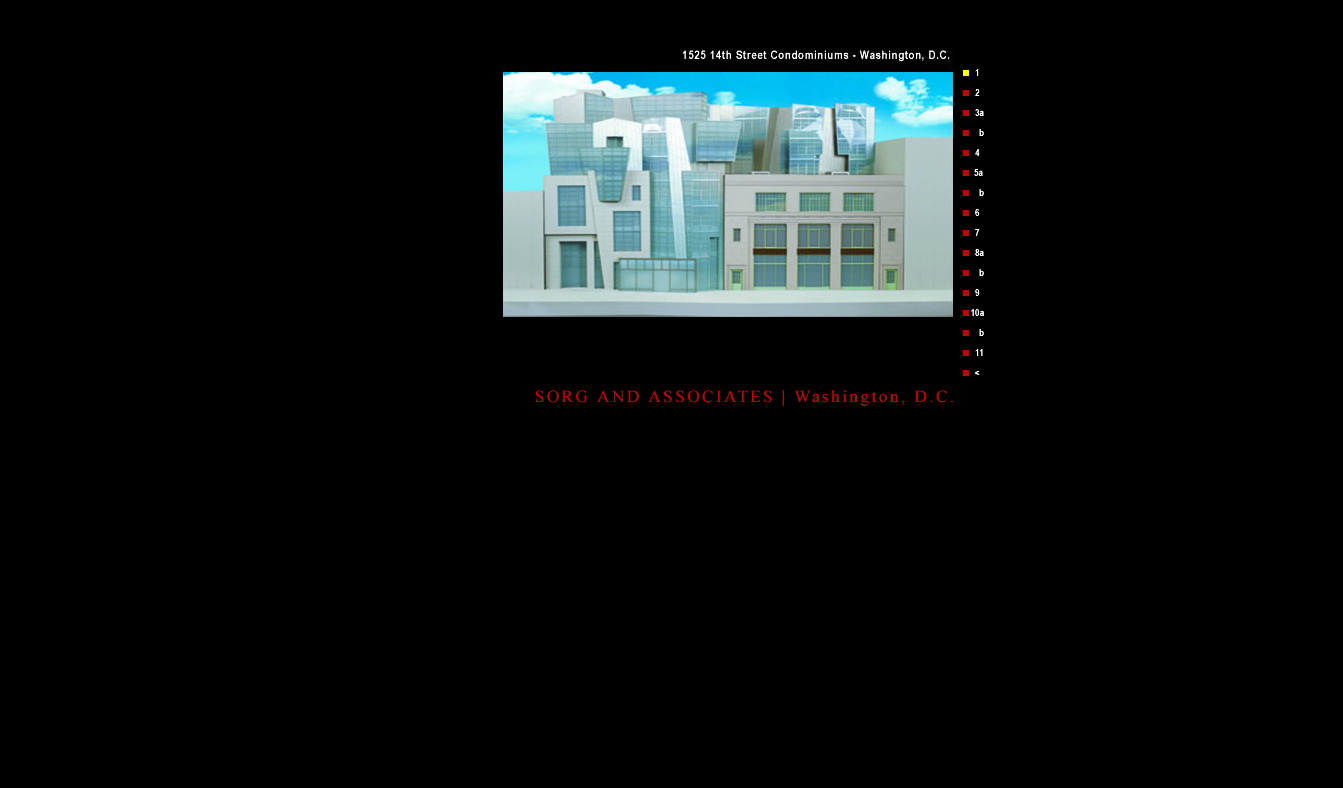
Sorg and Associates
Christian Zapatka Architect LLC
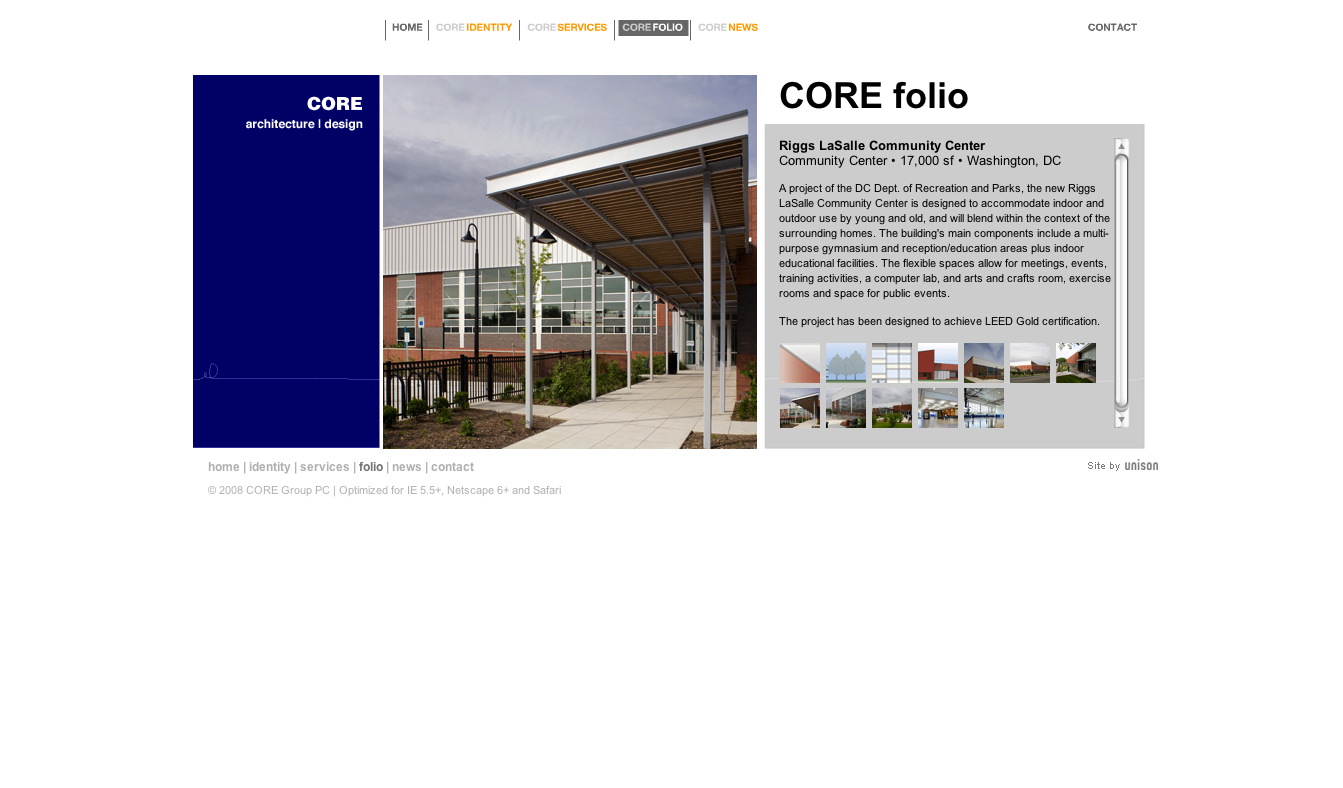
CORE
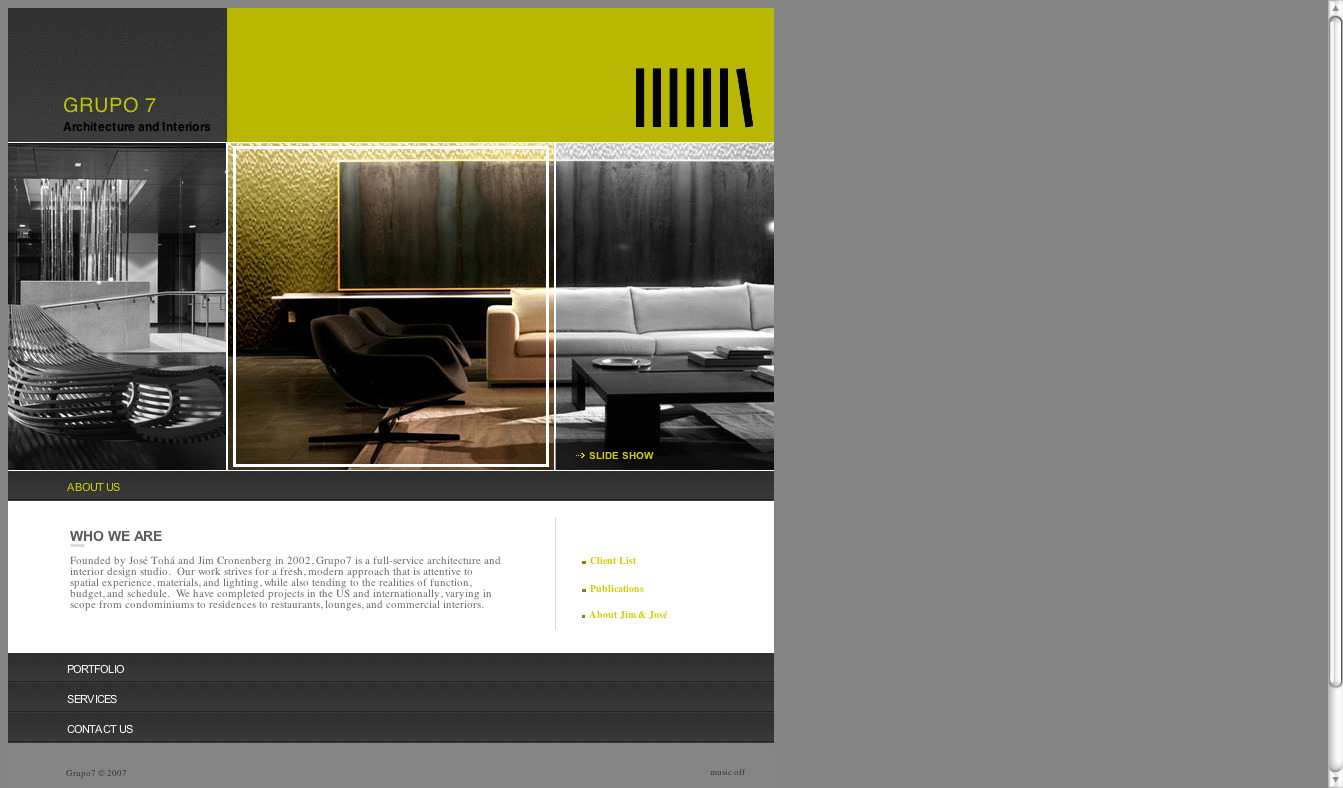
Grupo 7
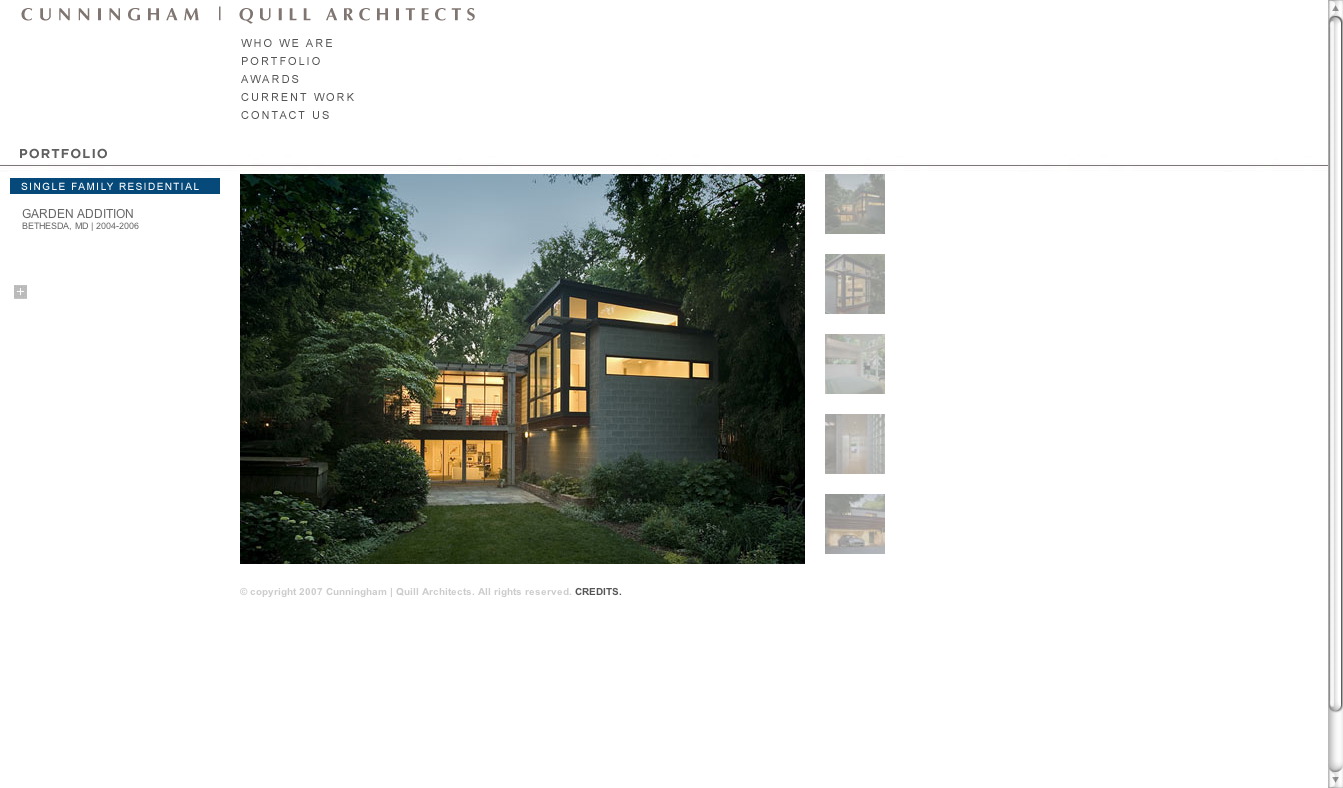
Cunningham Quill
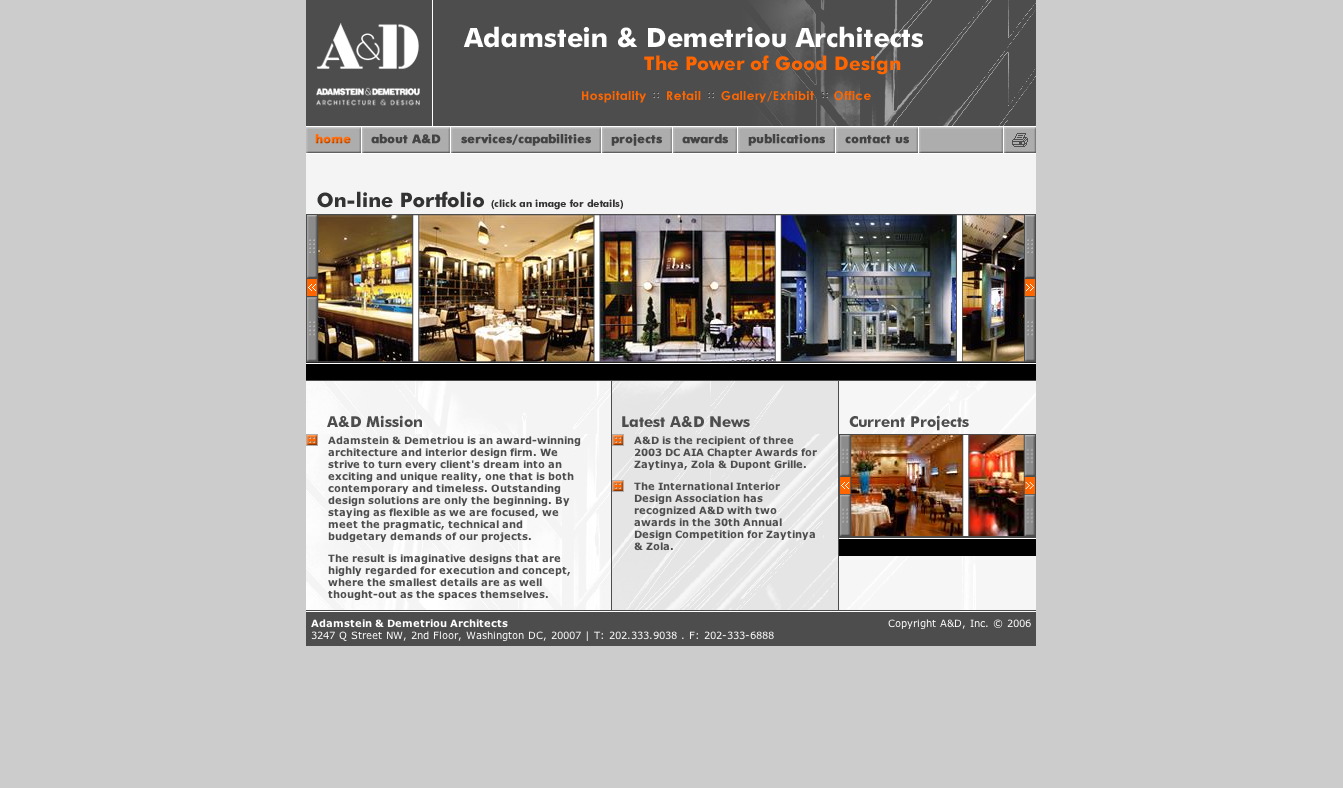
Adamstein & Demetriou Architects
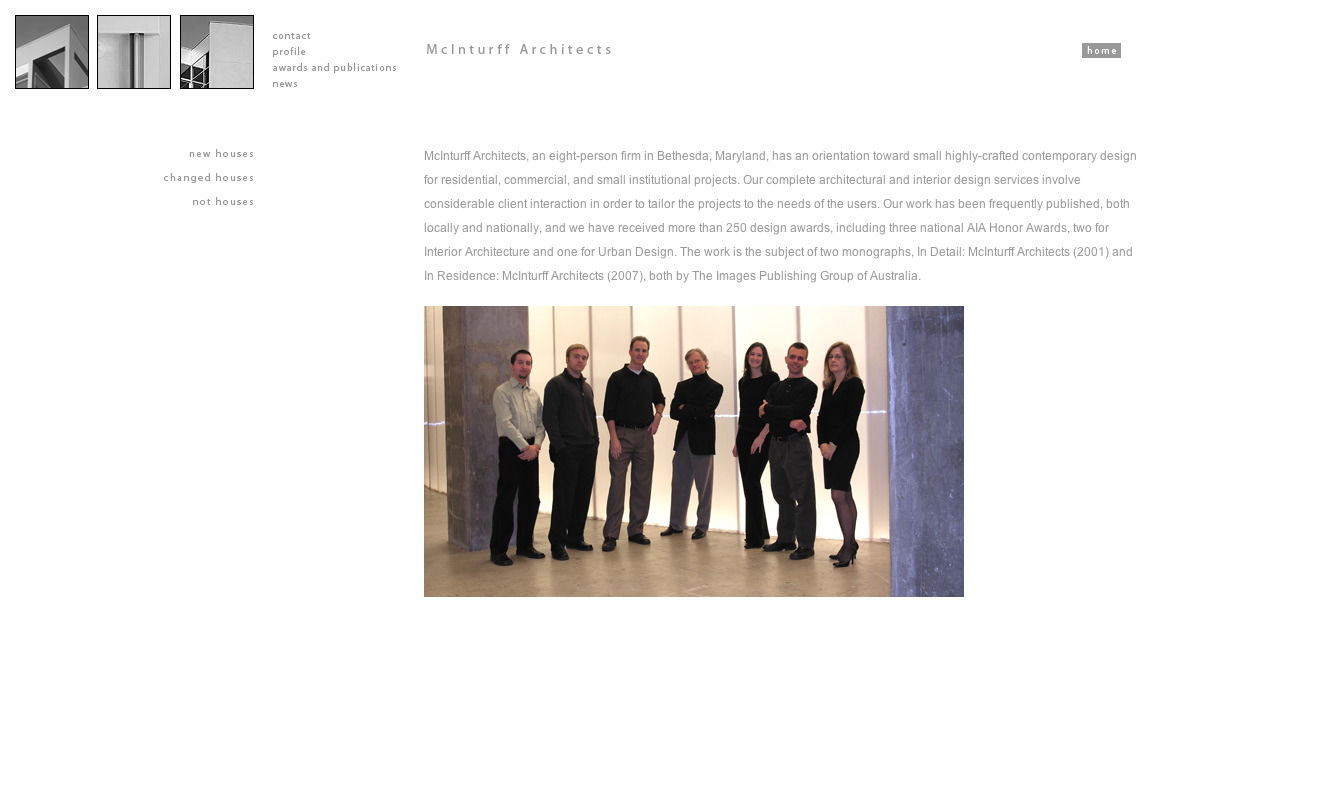
McInturff Architects
Division1 Architects
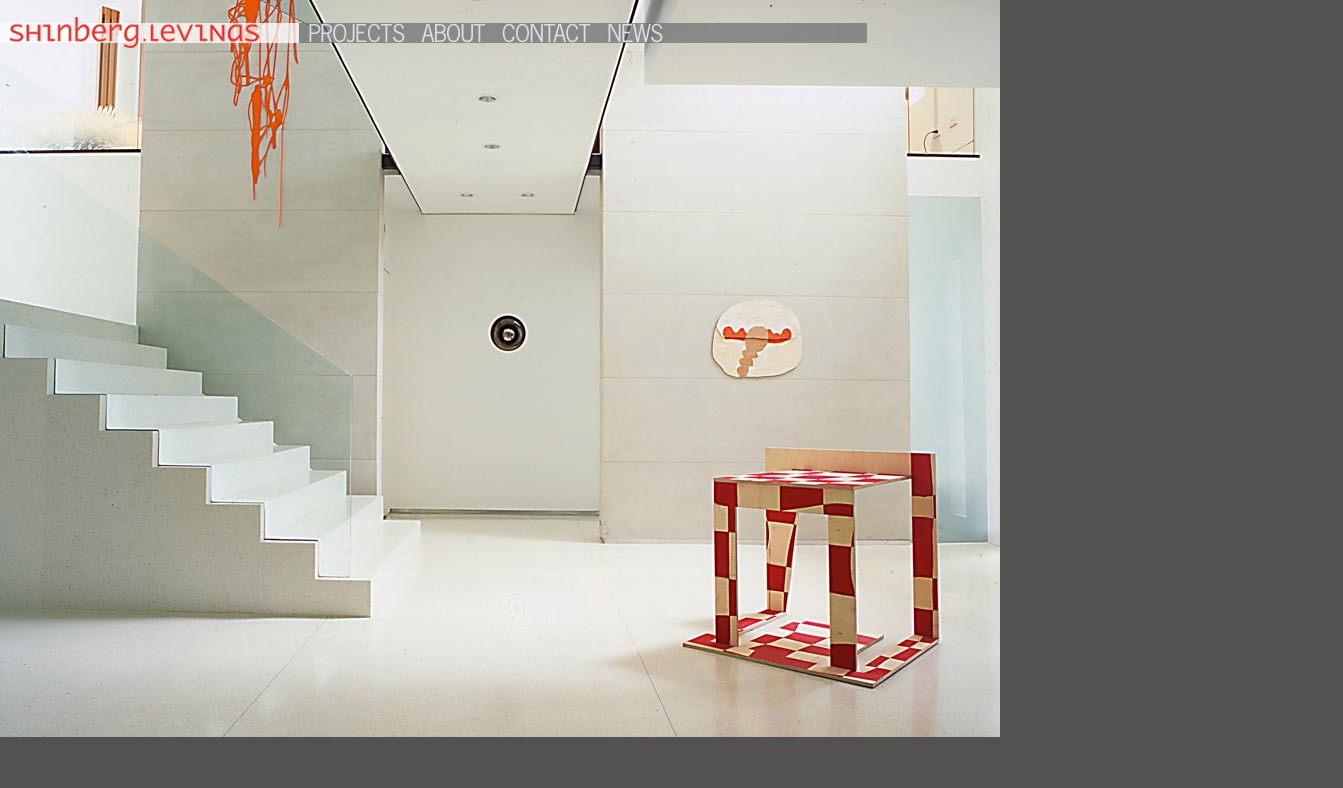
Shinberg.Levinas
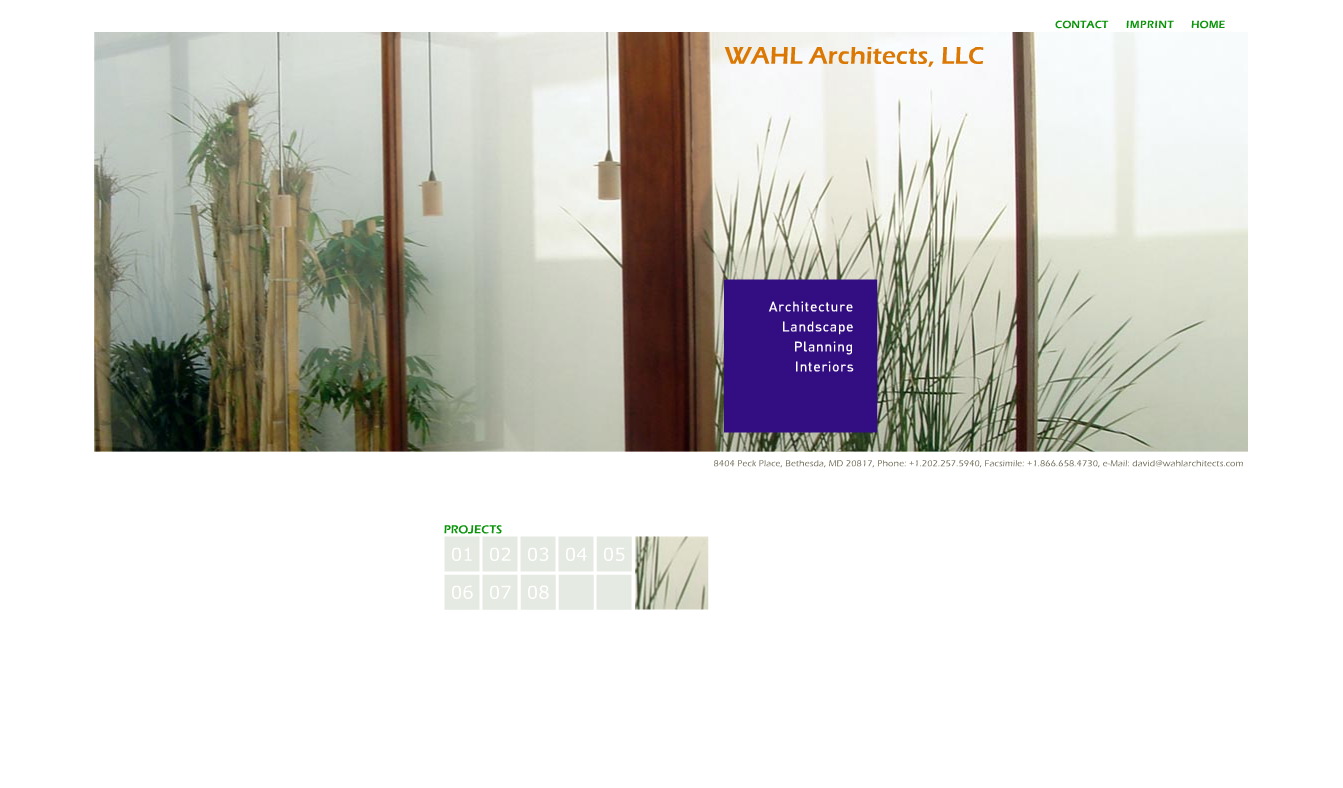
WAHL Architects, LLC
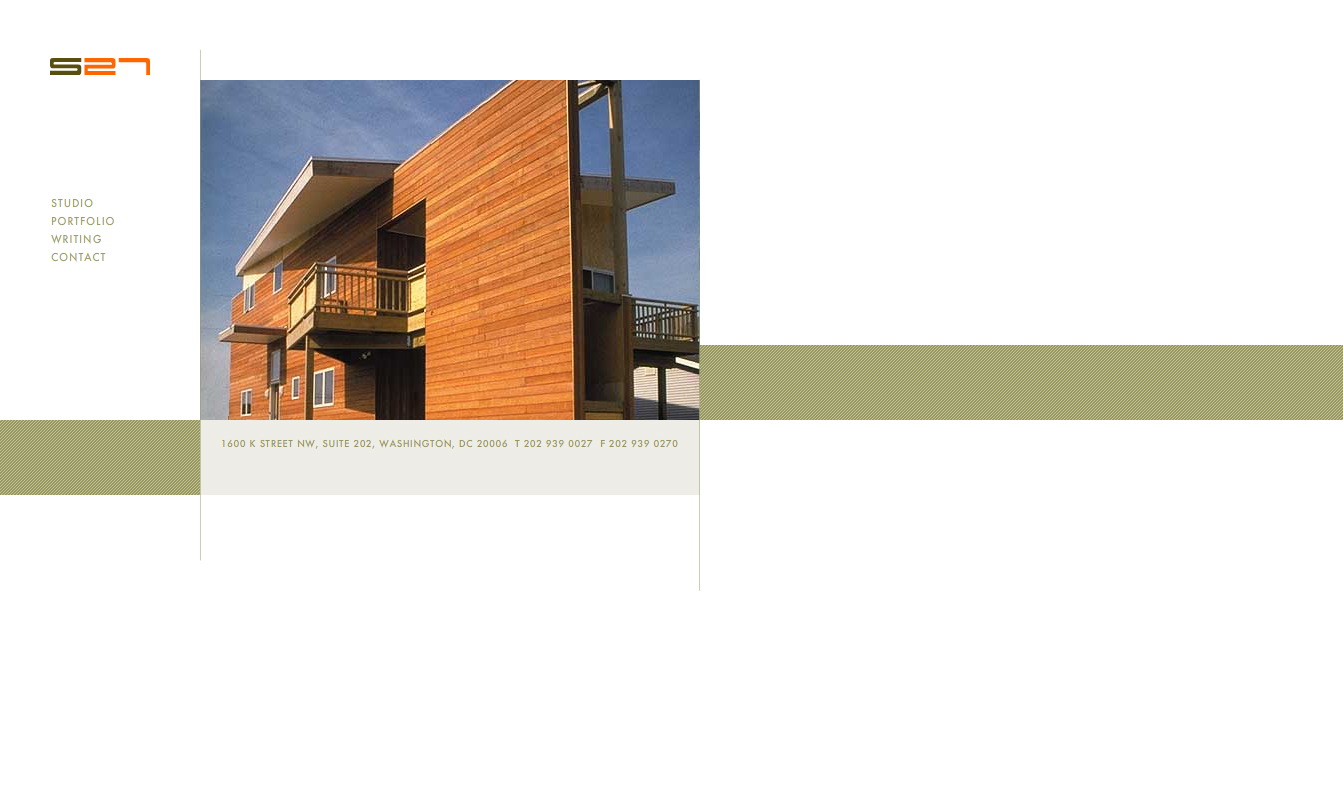
S27 Architecture
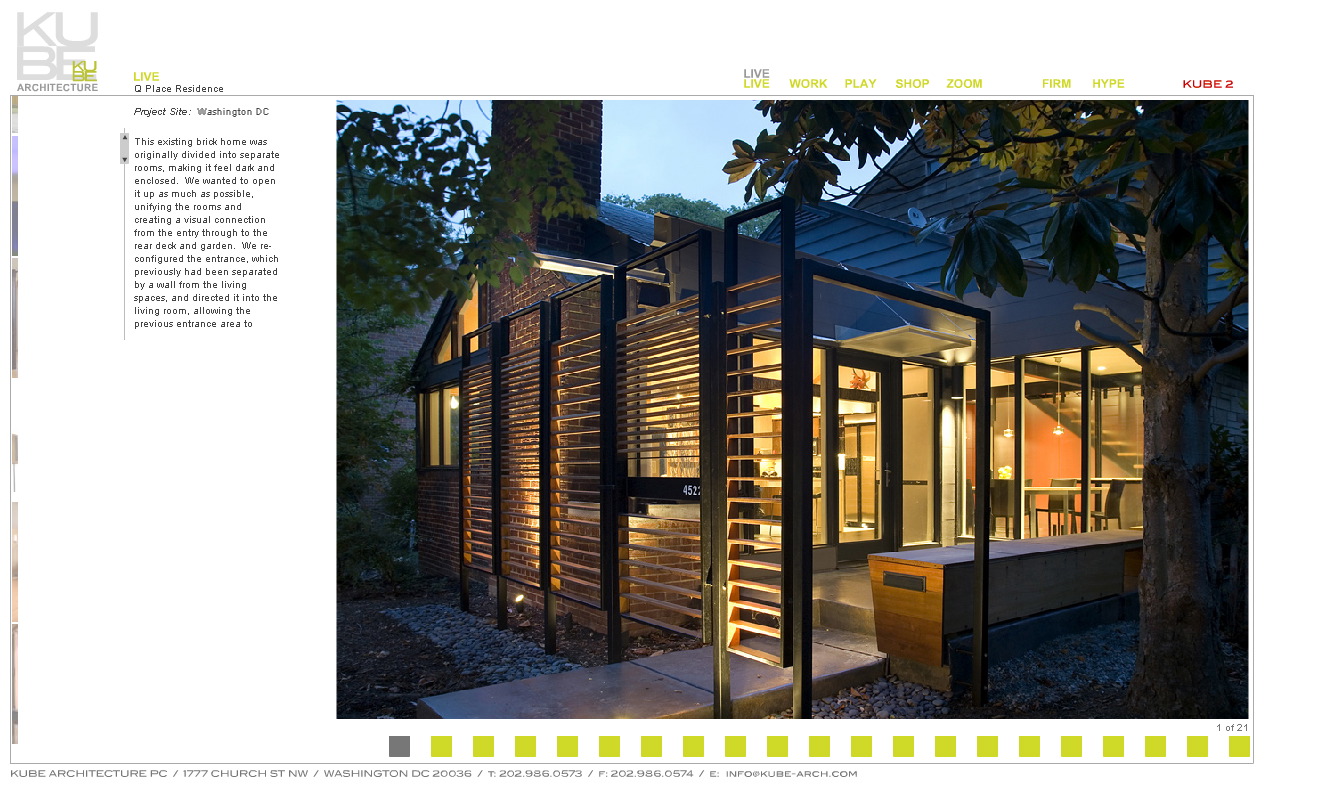
KUBE Architecture PC

While, in my opinion, the firms below are not in the same caliber of design as the previous list, they are worthy of Honorable Mention.

I welcome your opinions, please register and create a user name to leave your comments.

If you liked this article, please digg it.

Sphere: Related Content

Comments 8 Comments »

In the last week Gizmodo has had 2 different posts about Dubai, one detailing a new 1.55 mile high tower design and the other the torturous and abusive conditions of the workforce without which buildings like this wouldn’t exist. This dichotomy between the shining city of modern architecture and the slave dwelling-liked slums have been known for a while, at least amongst the socially conscious in the architecture field. Yet, it is nice to see that a blog that focuses on the new and shiny is finally looking at the workforce behind the product and their abysmal conditions.

The thing that really intrigues me here is that almost all societies who hold themselves up as model nations seem to have some sort of slave/lesser citizen class bearing the weight of the whole machine. The development of China has had a similar comparison in regards to poor health and bad working conditions for its construction and manufacturing force. Yet this is not a modern problem, the American dream was built on the backs of slaves, the British empire was made possible by raping the wealth from its colonies, even classical paragons like Athens and Rome were founded on slave labor. This makes me wonder, is it possible for a society to develop and be a world power without abusing the human rights of its own people?

Sphere: Related Content

Comments 1 Comment »

The DC area is filled with architecture firms, but I have been hard pressed to find many that are real players in the current avant-garde architecture climate. Most of the big name firms that have local offices focus on government work and not theoretical/concept work.

To wit, I am compiling a list of the best firms in the DC metroplex for publication as a future post to hopefully dispel the belief that good design cannot be found in DC.

Does anyone have any suggestions of architecture firms that go beyond the norm? I am specifically looking at firms that have an exemplary design identity.

Sphere: Related Content

Comments No Comments »

One of the things that has stuck me recently is the lack of a good space to do laundry in my current condo. Now, I have a stacked washer/dryer unit hidden in my front closet, but I really don’t have a good place to set up shop to fold clothes and iron. If I want to be near the laundry machines I can stand in my front hall and face a wall. But I tend to like distraction while I work, even considering that I truly do like to iron, so my living room is my chosen place of work. There is something very zen and calming about the repetitive motion coupled with the warmth and moisture, even with House blaring in the background. Now the problem with ironing in my living room/den/dining area is that like most 900 square foot condos, there is just not enough floor space to set up a board, have a place to hang finished clothes, a place for the wrinkled clothes, and have the standard coffee table and chairs or a couch. I guess I can look to building a board and hanging bar into some wall or part of an entertainment unit, and if i stay where i am, that is what will probably happen. I have to wonder though, thinking back to all of the apartments I’ve lived in, there has not really been any good place to iron clothes. I think the last place that has a decent laundry set-up was my parents house.

In today’s economic climate one of the first things that has fallen out of my budget has been dry cleaning/laundering my work clothes. I’m sure there are other young professionals who are in the same situation; we have living spaces where laundry facilities have become an after thought. They are adequate enough to wash your weekend and evening wear, but the layout is just not conducive to washing and pressing your work clothes: these living spaces were built with the dry cleaner in mind. With lesser expenses shifting from the necessity to luxury column, like daily coffee and meals out, I have to wonder whether more young people will start doing their own laundry. If so, it would be interesting to see if laundry zones become larger and more centralized in multi-family development units.

It wasn’t that long ago that “luxury” apartment buildings did not have in unit laundry facilities, just a few decades really. In that time, with advances in appliances and cooking technology, we’ve seen kitchens grow from an efficient galley to a showpiece selling feature. I have to wonder if in a decade realtors will be hawking the spacious and airy laundry facilities of the new luxury living and architects planning these new units around both the hearth and the board?

Sphere: Related Content

Comments No Comments »

Mies van der Rohe’s Farnsworth House, which I blogged about suffering flood damages, has re-opened to special guided tours on a limited basis.  These special tours will raise money for restoration and repairs and will focus on the extent of the damages caused by the flooding and the process of historic restoration.  More information can be found in this press release from the National Trust for Historic Preservation or at their blog, PreservationNation.

Sphere: Related Content

Comments No Comments »

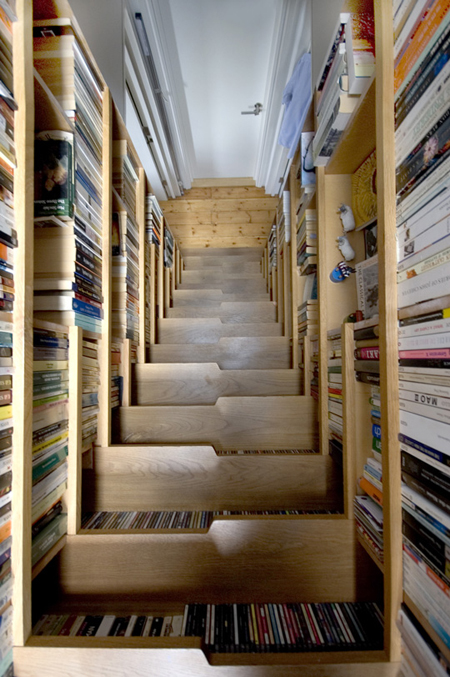
bookcase stair

[Image via ArchitectureMNP.]

There is a great post over at ArchitectureMNP showing a stair by the London based Levitate Architects that doubles as a giant bookcase. This is a great way of adapting a zone of typically dead space so that it can serve a dual purpose. I can imagine this would be really useful in some of the Washington, DC town houses that area really narrow and lacking in storage space. With a stair like this you would not need book cases, so wall space can instead be used for artwork and furniture.

Sphere: Related Content

Comments No Comments »

I submitted the op-ed below to the editorial desk of the New Orleans Times Picayune two weeks ago. I have not received any response to my inquiries, so I assume that they are not interested; if that changes I may have to remove this post. In any case, I would like to present my solution for a sustainable redevelopment of New Orleans:

An urban plan for a new New Orleans.

Although New Orleans avoided Gustavʼs wrath, we need to learn as much as we did the hard way from Katrina. Instead of rebuilding the city and the levees as they were, we need to make it so that New Orleans will never worry about a hurricane again.

New Orleans has had a past fraught with disasters: twice fires wiped out the bulk of the French and Spanish colonial city and there have been numerous floods and levee breaks which have altered the cityʼs shape.  Over the last century we believed that we had bent nature to our will by controlling the course of the Mississippi River and preventing the annual flood.  At the same time developers drained the surrounding swamps to make new low-lying easily flooded subdivisions.  The damage caused by Katrina showed this control to be fleeting.

The rebuilding after Katrina was done with the wrong methodology: we treated the symptoms, not the problems. What we needed to do was create a plan to address the environment, the economy and the unique identity of New Orleans, and we still can.  The levee system by itself is not sufficient; overtopping and crevasses are always a possibility.  The city needs a two tiered approach to safety, one which selectively prevents and allows controlled flooding in to create a city that can function with six feet of water in the streets of evangeline.  New Orleans is also facing a similar struggle with its economy; it relies on the tourism industry and the port to survive.  With the current downturn in the national economy there is less money to be spent which will eventually hinder both the shipment of goods and services and the attraction of money to the tourist trade.  The city needs a new sustainable identity.

To save the Crescent City we need to recreate it as a new Creole city by blending the local culture with building concepts from around the world.  The Dutch city of Amsterdam and an area of Peru called Belén both have novel strategies to handle flooding; one is a city that walls off the water and the other is a community that floats atop it.  The older urban areas of New Orleans should learn from Amsterdam and create more raised levees and canals to bring high water from the river and the lake to designated overflows, much like the Bonnet Carré Spillway.  These areas, the former swamps and low lying neighborhoods devastated by Katrina, could be built anew using updated concepts based on the Peruvian strategy; buildings and public plazas that lay on the ground during parts of the year, but float on the surface of the water during flood periods.  These buildings would be anchored in place but allowed to move vertically to adjust to rising and falling water levels.  This strategy could serve as a water recharge basin and allow all rain water to be pumped from the low lying city streets into the new controlled flood plains where it can be treated and released down river or into the lake.  This constant movement of water will work like a bayou and prevent mosquito borne diseases.  These levees and canals will create a more efficient mass transit systems with in the city with boat traffic running atop the water and an enclosed rail system below.

New Orleans should look beyond structures and embrace a new urban identity.  By improving  upon the model of Greensburg, Kansas – creating all platinum LEED buildings and aiming for carbon neutrality – New Orleans could brand itself as the heart of the Green movement.  Most of its power needs could be met through hydro electric, solar and other non-polluting forms of energy production.  Water that is collected in the recharge flood plains should be used for plant irrigation, cleaning the streets after parades and other non-potable water needs.  Tax breaks and incentives should be offered to companies that achieve carbon neutrality, manufacture alternative energy products and research new environmentally friendly technologies.  By encouraging organizations like the USGBC and Green Globes to make New Orleans their headquarters, the Big Easy could be the leader at the heart of the green movement. These new businesses would supply New Orleanians with jobs and the city with a consistent source of revenue that would enable a more locally funded rebuilding process.  In addition, the greening of New Orleans will help the tourist industry by making it a destination for cultural and environmental tourism.  The city may have missed the tech boom of the late twentieth century, but it could easily embrace the twenty-first as a model green city.

This redevelopment plan is a bold stroke and some may argue that it is unrealistic; but wasnʼt draining almost 100 square miles of swamp for more dry real estate just as bold?  It is my belief that without daring aspirations the Crescent City will always be teetering on the edge of destruction.  Yet, by allowing controlled flooding and by bringing in the industry of the twenty-first century, Creole culture and adaption can once again save New Orleans.

-Spencer Lepler is a graduate of the Tulane School of Architecture (ʼ05) with a Master of Architecture and a certificate in Preservation Studies.  He lives in Northern Virginia and is working towards his architectural license.  His blog can be read at http://www.selophane.com/blog
Sphere: Related Content

Comments No Comments »

Content recommendations from Evri